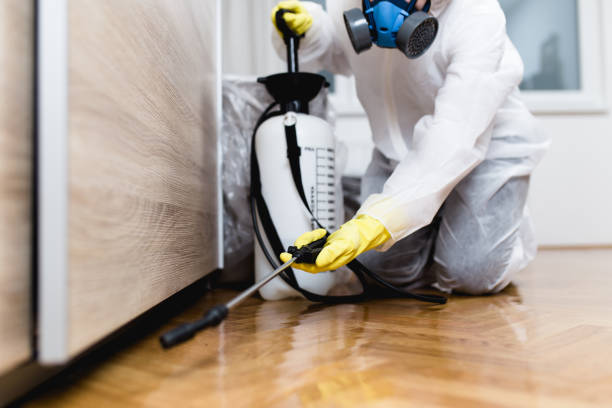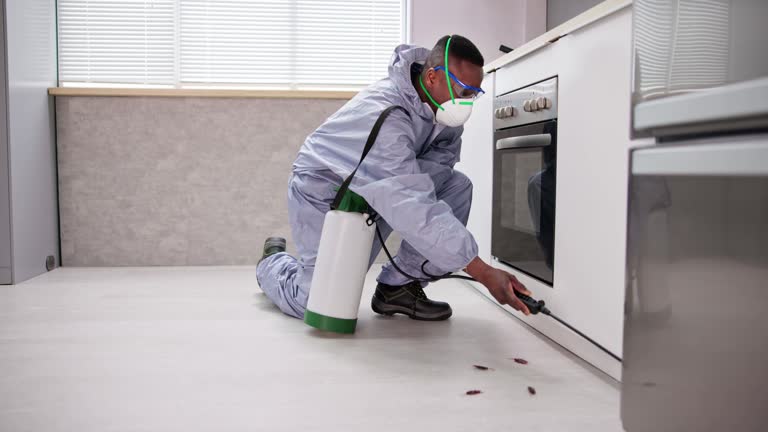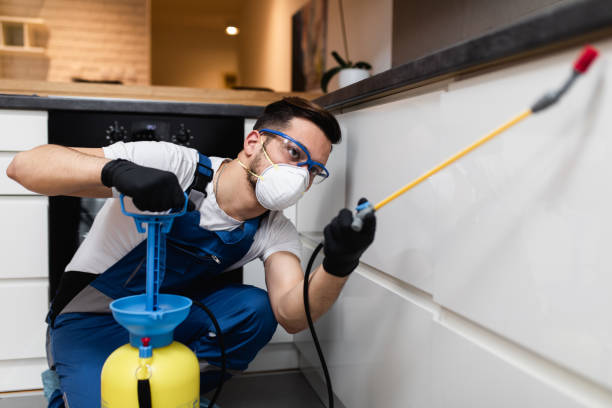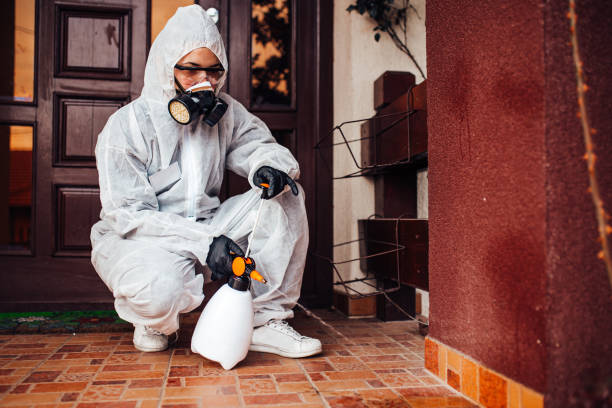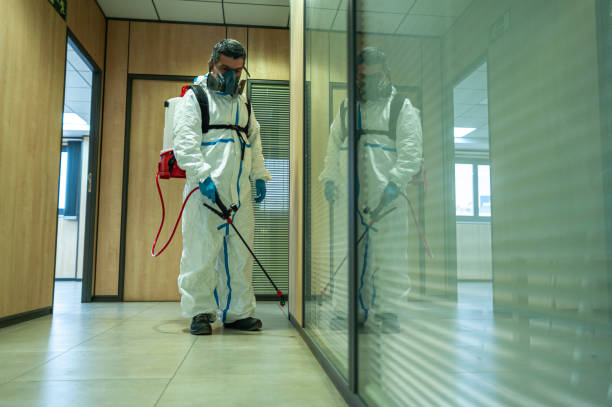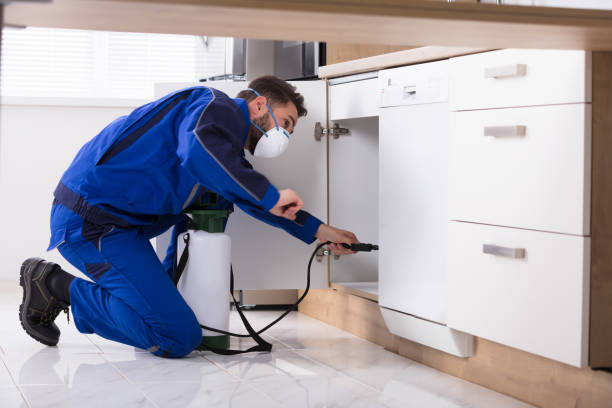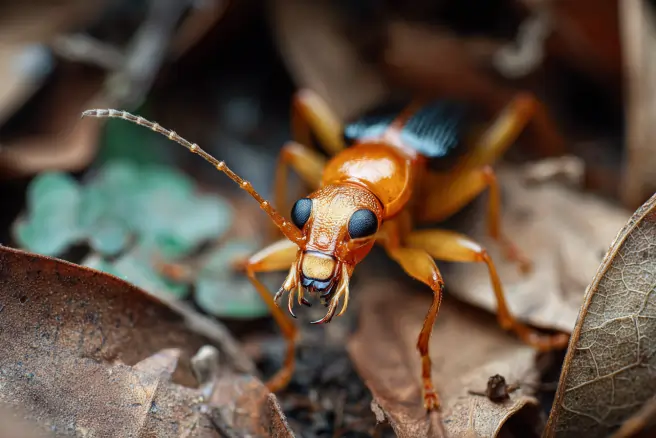
The Ultimate Checklist for Cleaning After Miami Gardens FL Pest Control

Pest Control Worker Shaking Hands With Woman Male Pest Control Worker Shaking Hands With Happy Woman In Kitchen Pest Control stock pictures, royalty-free photos & images

After a pest control treatment, thorough cleaning is vital to ensure your home or workspace remains safe, hygienic, and free from any residual chemicals or contaminants left behind. Following a systematic approach not only protects your household but also ensures that the effectiveness of the pest control treatment is not compromised. Below is a comprehensive checklist to guide you through the cleaning process after pest control.

1. Allow Time for Treatment to Settle

Before starting any cleaning activities, make sure you:
– Wait for the time recommended by the pest control professionals before re-entering treated areas.
– Ensure all areas are adequately ventilated by opening windows and doors.
– Avoid washing treated surfaces too soon, as doing so may reduce the efficacy of pesticides.

2. Start with Personal Safety

Your safety should always come first during post-treatment cleaning. Take these precautions:
– Wear gloves, masks, and protective clothing while cleaning. – Wash hands thoroughly after completing each task. – Keep children and pets away from treated areas until cleaning is complete.

3. Focus on High-Touch Surfaces

Some surfaces may come into frequent contact with people and need special attention:
– Wipe down high-touch areas such as countertops, doorknobs, light switches, and tables using a mild detergent or disinfectant solution. – Use disposable wipes or paper towels to avoid cross-contamination between surfaces.

4. Deal with Residual Chemicals Properly

Pest control treatments may leave behind trace amounts of chemicals that need careful handling:
| Surface Type | Cleaning Method | |————————–|———————————————————-| | Hard Floors | Mop with warm water and detergent; avoid harsh cleaners. | | Upholstery/Fabric | Vacuum thoroughly to remove residues or dead pests. | | Kitchen Counters/Appliances | Use natural cleaners like vinegar on food prep areas. |

5. Dispose of Waste Responsibly

During pest control activities, there might be dead pests or debris left behind:
– Collect all visible debris (e.g., insect carcasses) using disposable gloves and paper towels. – Seal waste in plastic bags tightly before discarding it in outdoor bins.

6. Launder Fabrics

Any fabric that was exposed during treatment should be cleaned thoroughly:
– Wash curtains, beddings, cushions, and clothing in hot water using regular detergent. – If dry-cleaning is required for delicate items, inform the service provider about the pest issue.

7. Vacuum All Surfaces

Vacuuming effectively removes leftover dirt and insect remnants:
– Focus on carpets, rugs, corners of rooms where pests might hide or die. – Clean vacuum filters after use to prevent spreading contaminants elsewhere in your home.

Post-Treatment Care Tips from a Pest Control Company in Miami Gardens FL

  1. Inspect Regularly: Check hidden spaces like attics or basements regularly for signs of re-infestation.
  2. Seal Entry Points: Use caulk or weatherstripping around windowsills and door frames.
  3. Store Food Securely: Keep all food items sealed in airtight containers to prevent attracting pests again.
  4. Schedule Follow-Ups: Find out if further treatments are recommended by professionals based on infestation severity.

By adhering to this ultimate checklist for cleaning after pest control, you can ensure a safe living environment while maintaining long-term protection against future infestations without compromising health standards in your space.

Expert Exterminator Miami Gardens FL: Disinfection, Sanitation, and Decontamination Services

After a pest control treatment, proper cleaning is essential to ensure a safe and healthy environment. Disinfection, sanitation, and decontamination services play a vital role in this process, as they eliminate harmful residues left behind by chemicals or pests. This comprehensive guide explores the key aspects of these cleaning practices to maximize the effectiveness of pest control efforts.

Why Disinfection Is Necessary

Pest infestations often introduce harmful pathogens into your living or working space. Rodents, cockroaches, and other pests can carry bacteria like Salmonella or E. coli, which may contaminate surfaces. Disinfection ensures these microorganisms are neutralized, reducing health risks for occupants.

Key areas to disinfect include:
– Kitchen countertops and cabinets
– Floors in high-traffic zones
– Bathroom surfaces exposed to pests
– Storage areas where pests may have nested

The Role of Sanitation

Sanitation focuses on maintaining a clean environment that discourages future pest activity. Proper sanitation removes food crumbs, grease buildup, and other attractants that lure pests into your space. Regularly implementing sanitation procedures post-pest control helps sustain long-term results.

Sanitation tips:
1. Store all food in airtight containers to prevent contamination. 2. Wipe down surfaces with appropriate cleaning agents. 3. Take out trash daily and keep bins sealed tightly. 4. Sweep and vacuum floors regularly to remove debris. 5. Clean pet feeding areas after every use.

Understanding Decontamination

Decontamination goes beyond basic cleaning by addressing toxic residues from pest control chemicals or waste materials left by pests (e.g., droppings or urine). These residues can pose significant health hazards if not properly removed.

Decontamination Tasks Purpose
Cleaning HVAC systems Prevents the spread of airborne contaminants introduced by pests
Washing contaminated fabrics Ensures bedding or upholstery is free from allergens or chemical residues
Using specialized cleaning products Effectively neutralizes pesticides while ensuring human safety

Professional Cleaning Services: When To Consider Them

In cases of severe infestations or exposure to hazardous chemicals, hiring professional disinfection and decontamination services is highly recommended. Trained experts have access to advanced tools and techniques that ensure thorough remediation.

Benefits of professional services include:
– Use of industry-grade disinfectants for maximum efficacy
– Expertise in handling sensitive materials like carpets or furniture
– Time-efficient cleaning with guaranteed results

By investing time into disinfection, sanitation, and decontamination after pest control treatments, you create an inhospitable environment for pests while promoting the well-being of those who occupy the area.

Effective Preparation and Essential Steps for Miami Gardens Pest Removal

Proper cleaning after a pest control treatment is critical to ensure the safety of your home and prevent re-infestation. Following the correct steps after a treatment not only protects your household but also enhances the effectiveness of pest control measures. Below, we outline essential steps to guide you through the cleaning process.

1. Understand the Type of Pest Control Treatment

  • Chemical-based treatments: May leave residues that could require specific cleaning methods or time before safe re-entry.
  • Non-chemical or natural treatments: Typically safer but still warrant proper cleaning to remove dead pests or remaining debris.
  • Fogging or fumigation: Usually involves airborne solutions that may settle on furniture, surfaces, and floors, requiring thorough attention post-treatment.

Consult with your exterminator about any precautions specific to the materials used.

2. Wait for the Recommended Timeframe

  • Any chemical agents have had time to settle or evaporate.
  • Surfaces are safe for contact, especially if pesticides were applied in liquid or aerosol formats.

Always follow this timeframe carefully as premature entry may cause health concerns.

3. Essential Cleaning Supplies Checklist

Supplies Needed Purpose
Disposable gloves Protect hands from pests and chemicals
Microfiber cloths Trap dust and fine residues
All-purpose cleaner Clean non-porous surfaces
Vacuum with HEPA filter Remove pests and allergens effectively
Mop and disinfectant solution Sanitize floors thoroughly

Having these tools ready will streamline your efforts and ensure no contaminated spots are missed.

4. Prioritize Areas Requiring Immediate Attention

  • Kitchen areas: Clean countertops, cabinets, and utensils to eliminate traces of chemical residues.
  • Bedding & Upholstery: Launder all sheets, pillowcases, and covers if these were exposed during treatment.
  • Children’s Play Areas: Deep-clean toys or surfaces within reach of young ones as a precautionary measure.

5. Focus on Dead Pests and Debris Removal

  • Use vacuum cleaners with disposable bags to avoid allergen recirculation.
  • Dispose of vacuum bags promptly in sealed trash bins outside your home.
  • For larger pests (e.g., rodents), follow municipal waste disposal guidelines for safe removal.

6. Avoid Over-Cleaning Certain Areas Immediately

  • Skipping mopping in treated corners for at least two days allows pesticide layers near cracks/crevices to remain intact.
  • Avoid pressure-washing outdoor perimeters where residual sprays were applied.

By balancing cleanliness with care not to disrupt residual effects, you’ll maximize long-term pest prevention.

House pest control Professional exterminator in protective workwear spraying pesticide in apartment kitchen. Pest Control stock pictures, royalty-free photos & images

Pro Tips for Long-Term Maintenance Post-Treatment:

  1. Seal cracks along walls, windowsills, or door frames where pests could enter.
  2. Store food in airtight containers rather than leaving items exposed.
  3. Declutter regularly since hidden spaces serve as breeding grounds for pests.
  4. Set up a recurring inspection schedule with professional exterminators.

Taking these steps ensures both immediate safety post-treatment while contributing toward sustained pest-free living conditions over time.

Effective Tips for Cleaning After a Pest Control Service Miami Gardens FL

After a pest control treatment, it is crucial to clean your space effectively to ensure safety and hygiene. Proper cleaning not only removes residual chemicals but also creates an environment that discourages pests from returning. Below, we outline essential steps and best practices for cleaning your home or business after pest control.

Why Cleaning is Necessary After Pest Control

  1. Chemical Residue Removal: Some pesticides or treatments may leave behind traces that can be hazardous if touched or ingested.
  2. Hygiene Maintenance: Dead pests, droppings, and contaminants need to be eliminated to prevent health risks.
  3. Prevention of Re-Infestation: A clean environment reduces the likelihood of pests returning by eliminating food sources and hiding spots.

Key Preparations Before Cleaning

  • Wait for recommended re-entry time as advised by your exterminator.
  • Wear protective gear such as gloves, masks, and goggles to avoid contact with harmful substances.
  • Gather necessary supplies like disposable cleaning cloths, disinfectants, trash bags, brooms, mops, or vacuum cleaners.

Step-by-Step Cleaning Guide

  1. Open all doors and windows to allow fresh air circulation.
  2. Use fans if necessary to improve indoor air quality after treatment.
  3. Focus on countertops, tables, shelves, and any area where chemicals might have been sprayed.
  4. Use a damp cloth or sponge with mild soap and warm water for non-toxic pesticide residue removal.
  5. For kitchens or food handling areas, consider using a mixture of vinegar and water as an alternative cleaner.
  6. Vacuum carpets thoroughly to remove dead insects or debris left behind during treatment.
  7. Dispose of the vacuum bag immediately in a sealed trash bag to prevent pest eggs from spreading.
  8. Wash bedding materials, curtains, furniture covers, and other fabrics that may have come into contact with treated areas.
  9. Use hot water settings whenever possible for effective decontamination.
  10. Remove any paper liners in cabinets or drawers as they may harbor chemical residues or pest remnants.
  11. Seal contaminated items in garbage bags before disposal to avoid cross-contamination.
  12. Pay attention to less noticeable areas such as corners behind appliances or under sinks where pests commonly hide.
  13. Clean these spaces thoroughly using appropriate tools like small brushes or handheld vacuums.

Additional Tips for Enhanced Post-Treatment Cleaning

  • Avoid mopping floors immediately after treatment unless recommended by the exterminator; some products require time to remain active on surfaces for maximum effectiveness.
  • Avoid deep cleaning furniture until you confirm it’s safe from chemical exposure through consultation with your pest control professional.
  • Regularly inspect cleaned areas over the next few weeks for signs of re-infestation such as droppings or live insects.

Recommended Supplies Table

Cleaning Material Purpose
Rubber Gloves Protect hands from chemicals
Microfiber Cloths Wiping down surfaces efficiently
HEPA Vacuum Cleaner Trap fine particles like eggs
Disinfectant Solution Kill germs on treated surfaces

By following these steps diligently after a pest control treatment, you can maintain a healthy living space while minimizing future risks associated with infestations.

Expert Remediation and Hoarding Cleanup Services for Pest-Affected Areas

When dealing with pest infestations, the aftermath often requires more than just basic cleaning. Severe infestations—especially in hoarded or neglected spaces—demand expert remediation and specialized cleanup services. This process ensures the complete removal of contaminants, damaged materials, and any residual risks left behind by pests. Below, we explore the key aspects of expert remediation and hoarding cleanup services specifically tailored for pest-affected areas.

Why Expert Remediation is Necessary

Pest infestations can leave behind harmful residues such as:
Feces and urine: Rodents and insects often contaminate surfaces with droppings that might carry bacteria like Salmonella or E. coli.
Shed skin, fur, or wings: These remnants are potential allergens that may cause respiratory issues.
Dead pests: Decaying carcasses can emit foul odors and harbor additional pathogens.
Structural damage: Damage to walls, insulation, wiring, or wooden structures caused by pests like termites or rodents can compromise safety.

Expert remediation teams are trained to address these hazards safely while restoring hygiene to the affected area.

Key Components of Pest-Affected Cleanup

  1. Inspecting the property to determine the extent of contamination and structural damages.
  2. Identifying priority areas that require immediate attention.
  3. Specialized tools and personal protective equipment (PPE) are used to remove waste such as droppings, nesting materials, or decaying organic matter.
  4. Proper disposal methods adhering to local regulations ensure biohazardous materials are handled responsibly.
  5. Use of industrial-grade disinfectants to eliminate bacteria, viruses, fungi, and other pathogens left behind by pests.
  6. Deodorizing treatments help neutralize unpleasant odors caused by infestation.
  7. Patching holes or gaps in walls where pests gained entry.
  8. Replacing contaminated insulation material or structural components damaged beyond repair.
  9. HEPA vacuum systems may be utilized to remove airborne particulates such as pest allergens.
  10. Air purifiers can help restore indoor air quality post-cleanup.

Hoarding Situations Complicated by Infestation

Challenges Solutions
Large volume of clutter Systematic sorting and safe disposal
Hidden nests within piles Targeted inspection using advanced tools
High risk of cross-contamination Intensive cleaning protocols with PPE

Additionally, teams trained in handling sensitive situations approach hoarding cleanups with empathy while maintaining efficiency during restoration efforts.

Benefits of Professional Cleanup Services

  • Reduction in health risks associated with exposure to contaminants.
  • Prevention of recurring infestations through proper sealing methods.
  • Recovery from extensive damage without compromising safety standards.

When it comes to managing pest-inflicted environments—especially those complicated by hoarding—relying on trained professionals provides peace of mind along with effective results.


Step-by-Step Guide: How an Exterminator Miami Gardens FL Can Professionally Get Rid of Roaches

Exterminator working Woman exterminator in work wear spraying pesticide or insecticide with sprayer Pest Control stock pictures, royalty-free photos & images

Dealing with a roach infestation can be a daunting task for homeowners, but professional exterminators have a systematic and effective approach to eliminate these resilient pests. Understanding the step-by-step process they follow ensures transparency and helps homeowners appreciate the importance of hiring professionals for severe infestations.

1. Inspection and Assessment

The first step in effective roach control is a detailed inspection and assessment. Exterminators start by:
– Identifying the type of cockroach species present (e.g., German, American, or Oriental roaches).
– Locating high-traffic areas where roaches are most active, such as kitchens, bathrooms, basements, or near water sources.
– Detecting entry points like cracks in walls, windowsills, or utility pipes that may serve as access points for roaches.
– Pinpointing food and water sources that sustain the infestation.

By creating a clear map of problem areas, exterminators can design a targeted treatment strategy.

2. Developing a Customized Treatment Plan

After the inspection phase, exterminators develop a tailored treatment plan based on factors such as infestation severity, type of cockroaches present, and size of the property. Key components include:
– Selecting appropriate extermination methods (chemical treatments, baiting systems, or integrated pest management approaches).
– Scheduling follow-up visits to ensure long-term effectiveness.

3. Preparation Before Treatment

Before implementing any treatments, exterminators often provide homeowners with pre-treatment instructions to maximize results: – Remove clutter from infested areas to improve accessibility. – Store food items securely in airtight containers. – Clean surfaces to remove grease and crumbs that attract roaches. – Cover or remove pet food dishes.

Following these steps ensures that treatments are applied effectively without interference from environmental factors.

4. Application of Treatment Methods

Chemical Treatments: Exterminators use professional-grade insecticides that target roaches while being safe for humans and pets when applied correctly. These chemicals may include:
| Insecticide Type | Purpose | Examples |
|—————————|——————————————|—————————–|
| Residual sprays | Kills roaches over time after contact | Cyfluthrin-based products |
| Non-residual sprays | Immediate knockdown effect | Pyrethrin-based solutions |
| Insect growth regulators | Disrupts reproduction cycles | Hydroprene formulations |

Gel Baits: Professionals place gel baits in strategic locations like crevices or cabinets where roach activity is high. The bait attracts cockroaches which then ingest it and spread it among their colony.

Dust Treatments: Dusts containing boric acid or silica gel are applied into wall voids and other hard-to-reach spaces where sprays cannot penetrate effectively.

Traps: Sticky traps may also be deployed to monitor activity levels post-treatment.

5. Follow-Up Visits and Monitoring

To ensure complete eradication of all life stages—eggs included—exterminators schedule follow-up appointments within weeks after initial treatment: – Inspect previously treated areas for signs of continued activity. – Reapply treatments if necessary. – Provide ongoing advice for preventing future infestations.

6. Prevention Recommendations Post-Treatment

Once success is achieved in eliminating the infestation, professionals offer guidance on how to keep homes pest-free moving forward: 1. Keep all surfaces clean from grease residue and food particles. 2. Seal all cracks and gaps around doors/windows using caulk or weatherstripping material. 3. Fix any leaky plumbing that provides moisture sources critical for cockroach survival. 4. Regularly dispose of garbage in sealed bins. 5. Store perishable foods properly to avoid attracting pests.

By following this comprehensive process step by step, professional exterminators ensure not only effective removal but also reduce chances of recurrence significantly over time—leaving property owners with peace of mind about their pest-free environment moving forward.

Effective Miami Gardens FL Pest Control: Understanding the Complete Extermination Process

Step 1: Miami Gardens Pest Removal Inspection and Assessment

  • Identifying the type of pest: Determining whether you are dealing with cockroaches, ants, termites, or other pests.
  • Locating infestation hotspots: Inspecting common hiding areas like kitchens, bathrooms, basements, and cracks in walls.
  • Understanding contributing factors: Assessing elements like food sources, moisture levels, and structural vulnerabilities.

This stage helps the exterminator develop a customized strategy tailored to the specific infestation.

Developing an Effective Extermination Plan with Our Pest Control Service Miami Gardens FL

The plan often includes chemical treatments like insecticides or bait stations alongside preventive measures such as sealing entry points.

Step 2: Implementation of Treatment

Treatment Methods:

  1. Sprays targeting infested areas.
  2. Gel baits placed near roach activity zones.
  3. Heat treatments for bed bugs or termites.
  4. Vacuuming to remove pests physically.

Tools Used:

Tool Purpose
Sprayers Distribute pesticides evenly
Bait Stations Attract and poison roaches
HEPA Vacuums Suck up pests and allergens
Sealants Block openings where pests might re-enter

Step 3: Monitoring and Follow-Up

  • Checking bait stations for activity.
  • Identifying any surviving pests through spot inspections.
  • Conducting additional treatments if necessary.

Most professionals recommend scheduling follow-up visits within weeks after initial treatment to address lingering issues effectively.

Step 4: Prevention Recommendations

  • Keeping food sealed in airtight containers.
  • Regularly cleaning kitchen counters and floors.
  • Fixing leaks or excess moisture sources around your home.
  • Sealing gaps around windows, doors, or pipes.

By implementing these preventive measures alongside professional treatment strategies, homeowners can significantly reduce their risk of reinfestation.

Understanding these steps ensures you’re informed about what goes into effective pest control efforts. Engaging with qualified professionals who follow these practices enhances both immediate outcomes and long-term results in managing pest problems effectively.

Effective Techniques Used by a Pest Control Company Miami Gardens FL to Eliminate Roaches

Professional exterminators rely on a combination of industry-standard chemicals, advanced techniques, and strategic approaches to effectively eliminate roach infestations. Understanding the tools and methods they use provides valuable insights into how pest control is carried out safely and efficiently.

video thumbnail

Common Chemicals Used by Exterminators

Exterminators typically use a range of pesticides that are approved for professional use. These chemicals are specifically designed to target cockroaches while minimizing risks to humans and pets when used correctly.

  • Purpose: Disrupt the life cycle of roaches by preventing them from reaching maturity or reproducing.
  • Examples: Hydroprene, Methoprene.
  • Benefits: Reduces future infestations by eliminating eggs and larvae.
  • Purpose: Provide long-term protection by killing roaches that come into contact with treated surfaces.
  • Examples: Bifenthrin, Deltamethrin.
  • Application: Sprayed along baseboards, cracks, crevices, and other high-traffic areas for roaches.
  • Purpose: Attract roaches to consume poison-laced food sources that they carry back to their nests.
  • Examples: Gel baits containing Fipronil or Hydramethylnon.
  • Benefit: Targets entire colonies rather than individual pests.
  • Purpose: Kill roaches instantly on contact during active infestations.
  • Examples: Pyrethrin-based sprays.
  • Limitation: Temporary solution best suited for spot treatments rather than long-term control.

Methods Utilized for Effective Cockroach Control

Effective cockroach extermination doesn’t rely solely on chemicals—it involves strategic application methods tailored to the severity of the infestation.

Inspection

Before applying treatments, exterminators conduct a thorough assessment of your property: – Identify infested areas such as kitchens, bathrooms, or basements. – Locate entry points like cracks in walls or gaps around windows. – Check for signs of nesting sites or egg casings.

Treatment Application

Exterminators adopt a multi-faceted approach when applying treatments: 1. Targeted Spraying: Residual insecticides are applied in key areas where cockroaches travel or hide. 2. Bait Stations: Gel baits are placed strategically in dark corners, under sinks, or behind appliances. 3. Dusting: Insecticidal dusts may be applied in hard-to-reach spaces like wall voids or crawl spaces. 4. Fogging (if necessary): For severe infestations, foggers may be used to disperse insecticide particles throughout large spaces.

Ongoing Prevention Recommendations

After treatment is complete, professionals often provide guidance on reducing the risk of re-infestation: – Seal up cracks and crevices with caulk. – Regularly clean food spills and crumbs from countertops. – Store food in airtight containers to prevent access. – Take out trash regularly and avoid leaving garbage bags indoors overnight.

Safety Measures Adopted by Exterminators

While professional-grade products can be highly effective against cockroaches, safety is always a priority during pest control operations: 1. Protective gear such as gloves and masks is worn during chemical application. 2. Areas where pesticides have been applied may be temporarily restricted for human activity until safe re-entry times have passed (as per product label guidelines). 3. Pet-safe bait formulations may be selected when homes have animals present.

Method/Tool Primary Use Key Benefit Example Products
IGRs Disrupt lifecycle Reduces future infestations Gentrol Point Source
Residual Sprays Long-term surface protection Kills on contact over time Demon WP
Gel Baits Attract-and-kill strategy Targets entire colonies Advion Cockroach Gel
Dusts Hard-to-reach areas Effective in voids & tight spaces CimeXa Insecticide Dust

By employing these proven chemicals and techniques alongside rigorous safety practices, professional exterminators ensure thorough elimination of cockroach populations while safeguarding your home environment from further infestation risks.

How Much Does an Exterminator Cost for Comprehensive Roach Removal Services?

Professional roach extermination is an essential service for homeowners and businesses facing infestations. However, the cost of this service can vary depending on several factors. Understanding these costs can help you make informed decisions about hiring a professional exterminator.

Factors That Affect the Cost of Roach Extermination

  1. A small, localized infestation may require fewer treatments and less labor, reducing overall costs.
  2. Severe infestations that extend throughout a property often require multiple visits and more extensive treatment efforts, increasing costs.
  3. Larger properties (e.g., multi-bedroom houses or commercial spaces) naturally require more labor, chemicals, and time to treat effectively.
  4. Smaller apartments or homes are typically less costly to treat due to reduced square footage.
  5. Chemical treatments such as insecticide sprays or baits are the most common methods used by exterminators and are generally affordable.
  6. Advanced treatments like heat remediation or fumigation can be more effective for widespread infestations but are often more expensive.
  7. Some infestations may be eliminated with a single visit while others demand recurring treatments over several months to achieve complete eradication.
  8. Prices can vary based on local demand for pest control services as well as cost-of-living considerations in your region.

Average Costs for Professional Roach Extermination

Service Type Average Cost Range Notes
One-Time Visit $100 – $300 Ideal for small-scale problems
Monthly or Quarterly Plans $75 – $150 per visit Best for ongoing maintenance
Fumigation Service $1,200 – $2,500+ Used for extreme infestations
Heat Treatments $800 – $2,000+ Effective but higher cost

Note: These prices may fluctuate depending on location and individual pest control companies’ policies.

Is Professional Roach Extermination Worth It?

  • Effective elimination reduces damage to property caused by roaches.
  • Preventative measures taken during treatment ensure future infestations are minimized.
  • Professionals have access to specialized tools and chemicals not available to consumers.

When assessing costs, it’s also helpful to consider how much time and effort you might save compared to attempting DIY methods that may fail to resolve severe problems completely.

Tips for Reducing Extermination Costs

  1. Compare Quotes: Contact multiple pest control companies in your area for estimates.
  2. Opt For Ongoing Maintenance Plans: These often reduce per-visit costs compared to one-time services.
  3. Seal Entry Points Beforehand: Preventing reinfestation can reduce future expenses.
  4. Discuss Guarantees: Some exterminators offer warranties or free follow-up visits if roaches reappear within a specified timeframe.

By understanding these factors and evaluating your specific situation carefully, you can select a service that fits both your needs and budget while ensuring effective roach removal from your home or business environment.

What To Expect After a Professional Exterminator Sprays for Roaches in Your Home

When a professional exterminator sprays your home for roaches, it is essential to understand what you can expect during the days and weeks following the service. A successful pest control treatment doesn’t always produce immediate eradication, and certain steps and outcomes are part of the process. Here’s what you should know.

Initial Activity Increase

It’s common to notice an increase in roach activity immediately after spraying. This may seem counterproductive, but it is actually a positive sign that the treatment is working. The chemicals used by exterminators disrupt the pests’ habitats, forcing them out into the open and exposing them to the pesticide.

  • Pesticides disturb nesting sites.
  • The chemicals agitate roaches, causing them to scatter.

Although this uptick in activity can be unsettling, it typically subsides within days as the pest population declines.

House pest control Professional exterminator in protective workwear spraying pesticide in apartment kitchen. Pest Control stock pictures, royalty-free photos & images

Dead Roaches Around Your Home

Following treatment, you’re likely to find dead or dying roaches around your home. This indicates that the pesticide is effectively targeting their nervous systems.

  • Under appliances (e.g., refrigerators or ovens)
  • Inside cabinets
  • Near water sources such as sinks or bathtubs

Dispose of any dead insects promptly using gloves or paper towels to maintain hygiene.

Reduced Roach Sightings Over Time

The full results of professional spraying may take one to two weeks or longer, depending on factors such as infestation severity and type of pesticide used. Over time, sightings will diminish as more pests come into contact with treated surfaces.

Expected timeline:
| Week | What You May Notice |
|——|——————————————————————|
| 1 | Increased activity; some live sightings; presence of dead roaches |
| 2 | Significant reduction in activity; fewer live sightings |
| 3+ | Minimal or no signs of infestation |

Follow-Up Treatments May Be Required

For severe infestations or particularly resilient species like German cockroaches, one round of spraying might not be enough. Most exterminators recommend follow-up treatments to ensure complete extermination.

  • Typical follow-up schedule: Every 2–4 weeks until no signs remain.
  • Additional benefits: Prevents re-infestation by targeting new hatchlings from existing egg cases.

Cleaning After Spraying: Do’s and Don’ts

  • Wait at least one week before mopping floors.
  • Wipe down surfaces like countertops (avoiding treated zones).
  • Vacuum regularly to remove dead pests and debris.
  • Use strong cleaning agents near treated baseboards or cracks.
  • Clean too soon after spraying (unless directed by your exterminator).

Preventative Measures Moving Forward

  • Seal entry points: Use caulk or weather stripping on cracks and gaps.
  • Eliminate food sources: Store food in airtight containers and clean up crumbs promptly.
  • Reduce moisture: Fix leaks under sinks and eliminate standing water.

By combining professional assistance with good hygiene practices, you can ensure long-term protection against future roach problems while maintaining a healthy living environment.

When To Call a Skilled Exterminator to Handle Severe Roach Infestations

Dealing with a severe roach infestation can be overwhelming and challenging, especially if home remedies and over-the-counter solutions fail to make an impact. Knowing when to call a professional exterminator is crucial for ensuring your home becomes pest-free promptly and efficiently. Below is an exploration of the situations where professional intervention becomes necessary.

Signs That You Need Professional Help

  • Persistent Roach Sightings: Spotting roaches during the day indicates that the infestation has likely grown beyond what DIY methods can handle.
  • Unpleasant Odors: A strong, oily, or musty smell in your home often signals a large roach population.
  • Droppings or Egg Casings: Discovering fecal matter resembling coffee grounds or pepper, along with oval-shaped egg capsules (oothecae), suggests significant activity.
  • Damage to Property: Roaches feed on organic materials and may leave behind chew marks on food packaging, books, cardboard, or even wallpaper glue.
  • Failed DIY Efforts: After multiple attempts with traps, baits, or sprays, if the problem persists or worsens, professional expertise is required.

Benefits of Hiring an Exterminator for Severe Infestations

  1. Customized Treatment Plans
    Exterminators assess the severity of your infestation and tailor their approach based on your home’s layout and specific areas of concern.
  2. Access to Advanced Solutions
    Professionals use industrial-grade chemicals and methods approved by regulatory agencies that are more effective than store-bought alternatives.
  3. Long-Term Prevention
    They not only address current infestations but also provide advice on sealing entry points and maintaining cleanliness to prevent future problems.
  4. Health & Safety Assurance
    Properly trained technicians ensure that treatments are applied safely without posing risks to household members or pets.

When Timing Is Critical

Situation Why Timely Action Matters
Infestations in Commercial Kitchens Roaches contaminate food supplies and pose health risks.
Large Numbers Found in Multiple Rooms Indicates rapid reproduction requiring swift control.
Presence in Schools or Daycares Ensures children’s health isn’t compromised by exposure.
Allergic Reactions Among Residents Droppings and shed skins can trigger allergies or asthma.

Preparing for Professional Service

  • Remove all clutter where roaches may hide.
  • Clean surfaces thoroughly to eliminate food residue before treatment begins.
  • Store food items securely in airtight containers.
  • Inform the exterminator about any sensitive areas such as nurseries or pet habitats.

Hiring an experienced exterminator at the right time not only resolves severe infestations but also helps safeguard your family’s well-being while preserving the integrity of your living space. By recognizing when it’s necessary to seek expert assistance, you can prevent a minor problem from developing into a larger threat that’s harder—and costlier—to address.

When To Call a Skilled Exterminator to Handle Severe Roach Infestations

Dealing with roaches can be overwhelming, especially when the infestation grows beyond what simple DIY methods can handle. Knowing when to call a professional exterminator is crucial for safeguarding your home and health. Below, we outline the key signs and factors that indicate it’s time to bring in an expert.

Signs That You Need a Professional Exterminator

  1. If you’ve tried traps, baits, or sprays but still notice roaches frequently, a professional may be required to address the root cause.
  2. Recurring sightings after using over-the-counter products indicate deeper infestation issues that require advanced techniques.
  3. Roaches are nocturnal by nature. Seeing them during the day often signals that their population has grown so large that they’re being forced out of hiding due to overcrowding.
  4. Finding numerous egg casings (small brown capsules) or droppings (black specks resembling coffee grounds) may suggest rapid reproduction and an expanding colony.
  5. Severe infestations may produce a musty or oily smell caused by roach secretions, particularly from larger populations.
  6. If family members experience allergy-like symptoms, asthma flare-ups, or other respiratory problems, this could be linked to allergens produced by cockroaches in your home.

Why Professional Help is Necessary

  • Expert Knowledge: Professionals know how different species of roaches behave and where they hide.
  • Access to Advanced Tools and Chemicals: Many pest control products used by exterminators are more potent than consumer-grade options and require proper expertise to handle safely.
  • Thorough Inspections: Exterminators perform comprehensive inspections to identify entry points, nesting areas, and contributing factors such as moisture or food sources.
  • Long-Term Solutions: Beyond simply eliminating active roaches, professionals implement preventive measures like sealing cracks and gaps or recommending structural repairs.

Scenarios Where Calling an Exterminator is Critical

Situation Why It Requires Professional Help
Large-scale infestations Harder-to-reach areas like inside walls or under appliances harbor colonies too extensive for DIY methods.
Infestations in multi-unit buildings Requires coordinated treatment across all units; individual efforts are often ineffective without trained oversight.
Businesses dealing with roaches Restaurants, hotels, and other commercial spaces need swift action due to health code compliance concerns.

How Professionals Can Ensure Complete Eradication

  • Thorough assessment of your home environment.
  • Customized treatment plans tailored specifically for your infestation level.
  • Follow-up visits if necessary to monitor progress and prevent reinfestation.

Recognizing when it’s time for expert intervention can save you time, money, and stress while ensuring your living space remains pest-free long term.


How to Prepare Your Home for Miami Gardens FL Pest Control Services

Spraying, disinfection and decontamination Professional worker in protective workwear reading checklist about house disinfection plan. Pest Control stock pictures, royalty-free photos & images

Properly preparing your home before an exterminator visit is essential to ensure the process is effective, efficient, and safe. Taking a few proactive steps can maximize the treatment’s success and minimize any disruptions to your daily life.

1. Declutter Key Areas

Pests often hide in cluttered spaces, making it difficult for exterminators to access problem areas. Ensure that key areas of your home are organized and free of unnecessary items:
Kitchen: Remove items from countertops, clear the area beneath sinks, and consider pulling out movable appliances like stoves or refrigerators to allow access.
Bedrooms: Clear space under beds, organize closets, and remove items near walls where pests may enter or nest.
Living Areas: Tidy up furniture arrangements to give exterminators better access to room corners, baseboards, and other potential pest entry points.

Decluttering not only helps provide better visibility but also ensures that treatments are applied where they’re most needed.

2. Deep Clean Target Areas

Cleaning your home before an exterminator visit helps eliminate food particles and pest attractants that might interfere with the treatment process:
– Sweep and mop all floors thoroughly.
– Vacuum carpets, rugs, and upholstered furniture to remove debris or hidden eggs from pests like fleas or bed bugs.
– Wipe down kitchen surfaces to remove crumbs or grease buildup.

Using a proper cleaning routine ensures treatments adhere effectively to treated surfaces without obstruction from dirt or grime layers.

3. Store Food Properly

Seal all food in airtight containers to avoid contamination during the extermination process:
| Type of Food item | Recommended Storage Solution |
|—————————-|————————————|
| Pantry goods (e.g., cereal) | Airtight plastic or glass containers |
| Fresh produce | Refrigerate tightly sealed |
| Open packages (e.g., snacks)| Store in Ziploc bags |

Additionally, remove pet food bowls during treatment hours and store them securely along with water dishes.

4. Provide Pest Location Information

Compile a detailed list of pest activity throughout your home including:
– Locations of droppings or nests you’ve observed. – Entry points like cracks in walls or windowsills. – Times when pests seem most active (daytime vs nighttime).

Sharing these observations with your exterminator helps target problem areas more effectively during their visit.

5. Secure Valuables

Though most professional exterminators operate with care around belongings valuables personal gadgets electronics etc)

Steps to Take Before a Pest Control Company Miami Gardens FL Arrives to Maximize Results

Proper preparation plays a pivotal role in ensuring the success of an exterminator visit. By taking certain steps ahead of time, you can help the extermination process run smoothly and maximize effectiveness. Below are key actions to consider before your pest control professional arrives.

1. Declutter Target Areas

Pests often hide in cluttered spaces, so removing unnecessary items enables exterminators to access critical areas more easily. Focus on these tasks:
Clear countertops and cupboards: Remove items from kitchen counters, cabinets, and pantry shelves where pests are frequently found.
Tidy up floors and baseboards: Move furniture slightly away from walls, vacuum floors, and eliminate piles of paper or boxes that may harbor pests like cockroaches or ants.
Declutter storage areas: Organize attics, closets, or basements to allow clear access for inspection and treatment.

2. Clean Your Home Thoroughly

Cleaning ensures that pest control chemicals bond more effectively with surfaces while also removing food particles that could attract pests after treatment:
– Sweep or vacuum floors thoroughly, including under furniture and appliances such as refrigerators or stoves.
– Wash dishes and ensure no food is left out on counters or tables. – Empty trash cans inside the home and securely seal any garbage bags before disposal.

3. Address Food and Water Sources

Eliminating access to food and water minimizes the chance of reinfestation after treatment: – Store all perishable foods in sealed containers during preparation. – Fix any plumbing leaks that may provide a water source for pests. – Avoid leaving pet food exposed; instead place it in airtight containers or temporarily store it away from treatment areas.

4. Protect Personal Belongings

To safeguard your belongings from contamination during extermination:
– Cover furniture, electronics, bedding, and other sensitive items with plastic sheets if necessary. – Store clothing securely in zipped garment bags or sealed plastic bins.

5. Communicate with Your Exterminator About Problem Areas

Your exterminator will need specific information about where pests have been seen so they can target their efforts effectively: | Information Examples | Why This Matters | |—————————–|—————————–| | Locations of pest activity | Helps identify nesting areas | | Type of pest (if known) | Determines appropriate treatment methods | | Frequency of sightings | Indicates infestation severity |

Documenting these details ahead of time ensures clarity when discussing issues with your exterminator.

6. Plan for Temporary Relocation (If Necessary)

Depending on the type of treatment being applied (e.g., fumigation), you may need to vacate your home temporarily: – Ask how long you should stay out after treatment is completed. – Bring essential items like medications if relocation is required. – Make arrangements for pets, young children, or individuals with respiratory conditions who may need additional precautions.

By following these steps carefully before your scheduled appointment, you’ll set the stage for a more effective and efficient extermination process while minimizing future infestations within your space.

Essential Preparations with an Exterminator Miami Gardens FL for a Successful Extermination Process

Clear Access to Problem Areas

  • Empty out cabinets, drawers, and shelves where pests such as cockroaches or ants might hide.
  • Wipe down surfaces to remove food crumbs or stains that may attract more pests.
  • Remove items from under sinks and around drains where moisture-loving pests like silverfish or centipedes might dwell.
  • Move furniture a few inches away from walls so exterminators can inspect baseboards, corners, and edges thoroughly.

Launder Soft Fabrics Where Pests May Hide

  • Blankets, sheets, pillows, and pillowcases.
  • Curtains or drapes near infested areas.
  • Pet bedding that may harbor fleas.

For additional protection, place cleaned items in sealed plastic bags until after the extermination process is completed.

Reduce Clutter in Affected Areas

  • Remove stacks of paper, cardboard boxes, and unnecessary storage containers from rooms where infestation has been observed.
  • Store items in sealed plastic bins rather than open boxes to prevent reinfestation.

Organizing these areas makes it easier for exterminators to identify pest activity.

Temporarily Store Food Items Safely

  1. Place all perishable goods (fruits, vegetables) inside refrigerators or sealed containers.
  2. Transfer dry pantry items like flour or grains into airtight jars if they are stored in infested locations.
  3. Remove pet food bowls during treatment sessions.

Vacuum Thoroughly Before Extermination

Vacuuming affected rooms prior to exterminator treatments serves two purposes: it reduces active infestations by removing visible pests and clears dust buildup for better pesticide adhesion.

Area Reason
Carpet edges Common hiding place for bed bugs/fleas
Behind/under furniture Spaces often overlooked during daily cleaning
Cracks along floorboards Potential entry points for insects

Dispose of vacuum contents immediately after cleaning by sealing them in a plastic bag before discarding.

Communicate Key Details with Your Exterminator

  1. List specific areas where pest activity has been observed (e.g., kitchen counters, attic corners).
  2. Share any previous pest control attempts you’ve undertaken (e.g., traps or over-the-counter sprays).

Keeping lines of communication open ensures effective targeting of problem zones.

By following these preparation steps carefully, you will create an environment conducive to successful pest removal while reducing risks post-treatment.

Important Questions to Ask About Miami Gardens Pest Removal Before Getting Started

When working with an exterminator, asking the right questions is crucial to ensure a thorough and effective pest control process. Below are important questions to consider asking prior to the start of the service. These inquiries will help you understand the scope of work, safety precautions, and set clear expectations.

1. What Types of Products Will Be Used?

Understanding the chemicals or treatment methods used during pest control is essential, especially if anyone in your household has sensitivities or allergies. Some key details to ask about include:
– Are the products eco-friendly or organic?
– Are they safe for pets and children?
– How long should humans and animals stay away from treated areas?

2. What Pests Are Being Targeted Specifically?

Different pests require tailored approaches for elimination. Confirm with your exterminator which pests they plan to address during their visit:
– Are they targeting only visible pests or potential infestations as well?
– Will they conduct a thorough inspection for hidden infestations?

3. Is This Treatment a One-Time Service or Part of an Ongoing Program?

Depending on the severity of infestation, you may need multiple visits from your exterminator. It’s helpful to understand:
– Whether this is a single treatment or part of a recurring schedule.
– If follow-up visits are necessary, how often will they occur, and are they included in the initial cost?

Fumigator sanitizing, cleaning and disinfection. Coronavirus pandemic professional control. Fumigator sanitizing, cleaning and disinfection. Coronavirus pandemic professional control. Pest Control stock pictures, royalty-free photos & images

Treatment Type Description Timeline Recommendation Cost Considerations
One-Time Treatment Suitable for minor infestations Immediate May be higher per visit
Ongoing Program Best for recurring pest problems Monthly/Quarterly More cost-efficient over time

4. What Can I Do After the Visit to Prevent Future Infestations?

A professional exterminator often provides advice on maintaining pest-free conditions at home after their work is done. Ask about preventive measures such as:
– Sealing cracks or gaps where pests may enter your home.
– Proper food storage techniques to avoid attracting pests.
– Best cleaning practices to deter reinfestation.

5. How Long Before Results Are Visible?

While some treatments show immediate effects, others may take days or weeks before you notice results depending on the targeted pest type and method used: – When can I expect full results? – Is it normal for pest activity to temporarily increase after treatment?

6. Do You Offer Any Guarantees or Warranties?

Having assurance regarding the effectiveness of services can provide peace of mind: – Do you offer any guarantees if issues persist after treatment? – Is there an additional charge for follow-up visits if pests return within a specific period?

7. Are You Licensed and Insured?

Pest control professionals should meet industry standards for legal operation: – Can you provide proof of licensing in this state/region? – Does your insurance cover accidental damage during treatments?

By asking these key questions before beginning an extermination process, you’ll not only gain clarity but also build confidence in your choice of professional services while ensuring maximum safety and effectiveness throughout each step.

How Noting Pest Locations Enhances Pest Control Service Miami Gardens FL

Properly identifying and noting pest locations in your home is a critical step in ensuring the success of any extermination process. By providing your exterminator with detailed information, you can help them address the infestation more efficiently and target specific areas that require the most attention. Here’s why this step matters and how you can do it effectively.

Benefits of Noting Pest Locations

  • Targeted Treatment: Pinpointing areas where pests are most active allows the exterminator to focus treatment efforts, reducing the overall time and resources needed for eradication.
  • Improved Effectiveness: Specific data about pest behavior or nesting spots ensures that treatments reach the source of the problem rather than just treating symptoms.
  • Prevention of Reinfestation: Identifying where pests enter or hide can help implement preventive measures to block their return after extermination.
  • Cost Efficiency: Efficient targeting minimizes wasted products and unnecessary treatments, potentially lowering costs associated with pest control services.

How to Note Pest Locations

  1. Observe Problem Areas
    Track any signs of pests, such as droppings, chew marks, nests, or live sightings. Pay close attention to areas like kitchens (especially around food storage), bathrooms, basements, and attics as these spaces are often prone to infestations.
  2. Track Patterns and Behavior
    If possible, note times when pests appear more frequently (day vs. night) or specific behaviors (e.g., scurrying along walls). This detailed information helps determine what type of treatment may work best.
  3. Inspect Entry Points
    Check common access points for pests around windows, doors, vents, plumbing lines, or cracks in walls. Seal minor gaps temporarily until professional action can be taken.
  4. Document Your Findings
    Use a notebook or digital tool to record your observations clearly:
Observation Details
Pest Type Ants
Location Kitchen counter near sink
Time Spotted Evening hours
Activity Moving toward food crumbs
  1. Take Photos if Possible
    Capture images of affected areas or pests if you’re able to safely do so without disturbing them further.

Communicating with Your Exterminator

  • Share all notes and photos regarding pest sightings.
  • Highlight specific rooms or zones where activity has been observed.
  • Discuss patterns you’ve noticed (e.g., increased movement at night).

This collaboration ensures that no critical details are missed during the assessment phase.

Common Areas Where Pests May Hide

Area Pests Commonly Found
Kitchen Cabinets Cockroaches & Ants
Behind Appliances Rodents & Roaches
Attics Squirrels & Wasps
Bathroom Pipes Silverfish & Drain Flies

Taking a proactive approach by noting these potential hotspots will greatly enhance the effectiveness of any extermination plan while expediting long-term solutions against infestations.

Why Noting Pest Locations is Crucial for Effective Extermination

When dealing with a pest infestation, one of the most critical steps you can take before an exterminator arrives is noting the specific locations where pests have been seen. This information can significantly impact the success of the extermination process. Below, we’ll discuss why identifying these areas matters and how you can effectively do it.

Benefits of Noting Pest Locations

  • Targeted Treatment: By providing your exterminator with details about where pests are most active, they can focus their efforts on these high-priority areas. This ensures a more efficient use of pest control methods and resources.
  • Accurate Identification: Pests often leave behind signs like droppings, nests, or damage to wood and fabric. Documenting where you find these signs allows the exterminator to identify the type of pest accurately and select the appropriate treatment method.
  • Prevention of Spread: Knowing where pests tend to congregate helps prevent them from spreading to other areas of your home by allowing the exterminator to create an effective containment plan.

Tips for Tracking Pest Activity

  1. Inspect Frequently Used Areas: Check spaces like kitchens, bathrooms, basements, and attics as these are common entry points or nesting spots for pests such as rodents or insects.
  2. Look for Patterns: Pay attention to times when pests are most active—whether it’s during the night for cockroaches or early morning for ants—and note those observations.
  3. Document Signs of Activity: Use a notebook or smartphone notes app to jot down details such as droppings, chew marks, grease trails (for rodents), or live sightings.
  4. Use Sticky Traps (Optional): Place sticky traps in suspected areas—this can help confirm pest presence and give additional information about their population size.
  5. Check Hidden Areas: Don’t forget spaces behind appliances, under furniture, inside closets, or along baseboards.

Example Table for Tracking Pest Activity

Date Room/Location Type of Pest Observed Evidence Found Time Frame Seen
10/25/2023 Kitchen pantry Ants Small trail near sugar jar Afternoon
10/26/2023 Bathroom cabinet Cockroach Droppings in corner Late evening
10/27/2023 Basement storage Mice Chewed box edges Early morning

Working With Your Exterminator

  • Share any concerns about specific rooms or items that may require special attention.
  • Clarify whether certain infestation sites may pose risks to children or pets so proper precautions can be taken.

By proactively documenting problem areas in advance of an extermination visit, you’re playing an essential role in ensuring both immediate results and long-term prevention strategies are effective.


Understanding the Role of Miami Gardens FL Pest Control Experts and Why They’re Essential

Man Spraying Pesticide In Kitchen Man Spraying Pesticide Inside The Wooden Cabinet In The Kitchen Pest Control stock pictures, royalty-free photos & images

An exterminator, also referred to as a pest control specialist, plays a crucial role in maintaining healthy and comfortable living or working environments. These professionals are trained to identify, manage, and eliminate infestations caused by various pests such as insects, rodents, and even wildlife in homes or commercial spaces.

The Role of an Exterminator

Exterminators are responsible for much more than simply removing visible pests. Their expertise lies in understanding the behaviors, life cycles, and habitats of pests in order to effectively address infestations at their root. Here are some key aspects of their role:
Inspection: They begin with a thorough assessment of affected areas to determine the type and extent of pest activity.
Detection of Root Causes: Professionals identify entry points, nesting areas, and contributing factors like food sources or moisture that attract pests.
Tailored Solutions: Based on their findings, exterminators develop customized treatment plans suited to the specific pest problem.
Preventative Measures: Beyond extermination, they often recommend preventive strategies to safeguard against future infestations.

Why Professional Pest Control Matters

Benefits Explanation
Expertise Trained exterminators understand how different pests behave and how best to remove them safely.
Safety Professionals use regulated pesticides and non-toxic treatment methods wherever possible.
Long-Term Solutions DIY approaches often provide temporary relief; experts address the source for lasting results.
Health Protection Many pests carry allergens or diseases that can harm your family or employees if not properly handled.

Misconceptions About Exterminators

There is often misunderstanding about what exterminators do and how they operate:
1. Not All Methods Rely on Chemicals: Modern pest control experts emphasize integrated pest management (IPM), which combines chemical-free techniques like physical barriers or habitat modifications with pesticide use only when necessary.
2. They Don’t Only Handle Big Infestations: Whether it’s a single mouse or a full-blown termite invasion, professionals can assist with all levels of infestation severity. 3. Prevention Is Part of Their Job: Many people assume exterminators only respond reactively; however, prevention services such as sealing cracks or removing attractants are equally important parts of their work.

A professional exterminator’s role extends beyond simply “killing bugs”—it’s about protecting your property from damage, ensuring your health is not compromised by exposure to harmful agents, and creating an environment free from unwanted invaders through safe practices tailored for each situation.

What to Expect from a Pest Control Company Miami Gardens FL During Professional Extermination

Professional exterminators play a vital role in maintaining healthy and safe living or working environments by addressing pest infestations promptly and effectively. Below, we delve into the key responsibilities that define their work, providing insight into what clients can expect during pest control services.

Initial Inspection and Assessment

One of the first critical duties of an exterminator is conducting a thorough inspection of the property. This process involves:
Identifying Pest Types: Determining the exact species causing the infestation (e.g., rodents, termites, bed bugs).
Assessing Infestation Severity: Evaluating how widespread or severe the infestation is.
Locating Entry Points: Detecting cracks, gaps, or other areas where pests are accessing the property.
Understanding Environmental Factors: Noting conditions within and around the property (e.g., moisture levels or food availability) that are contributing to pest activity.

Developing a Targeted Treatment Plan

After completing their assessment, exterminators create a customized strategy tailored to address the specific pest problem. This often includes:
1. Choosing appropriate treatment methods (chemical sprays, bait stations, traps, or natural deterrents).
2. Considering safety measures for pets, children, and occupants of the home or building.
3. Outlining precautions and post-treatment requirements for homeowners or business operators.

This step ensures that treatment aligns with environmental regulations while maintaining maximum effectiveness.

Applying Safe and Effective Treatment Methods

Treatment application is one of the most visible duties performed by exterminators. Depending on circumstances, this may include:
Chemical Applications: Using EPA-approved insecticides or pesticides designed to eradicate pests while minimizing harm to humans and animals.
Mechanical Controls: Setting traps for rodents or deploying physical barriers to prevent further entry by pests like raccoons or squirrels. – Biological Controls: Utilizing natural predators for certain types of pests when applicable.

Every action taken at this stage considers both short-term elimination and long-term prevention.

Educating Clients on Prevention Techniques

Responsible pest control extends beyond immediate removal efforts; educating clients on preventive measures is equally important in reducing future infestations:
– Sealing entry points such as holes in walls or cracks around windows/doors. – Storing food properly in airtight containers. – Regularly cleaning areas prone to spills, crumbs, or standing water. – Scheduling periodic inspections if located in high-risk areas (e.g., termite-prone regions).

Professionals often share tailored advice based on specific property conditions.

Monitoring and Follow-Up Services

Quality pest control doesn’t end with one treatment session; reputable exterminators offer follow-up visits to ensure results are lasting:
| Service | Purpose | Frequency |
|——————|———————————————|———————-|
| Monitoring | Checking for recurring activity | Weekly/biweekly |
| Re-Treatment | Addressing stubborn infestations | As needed |
| Maintenance Plans| Preventative care for long-term protection | Quarterly/annually |

By continuously monitoring progress and adjusting strategies as required, professionals help clients maintain peace of mind regarding future concerns.

Ultimately choosing trained experts ensures effective handling without unnecessary risks/errors common via DIY approaches

Pest control worker spraying pesticide around furniture indoors, closeup Pest control worker spraying pesticide around furniture indoors, closeup Pest Control stock pictures, royalty-free photos & images

How an Exterminator Miami Gardens FL Can Effectively and Safely Handle Your Infestation Problems

Pest infestations can quickly escalate from being a minor inconvenience to a significant issue that threatens your property, health, and well-being. While some individuals might consider tackling the problem themselves, hiring a professional exterminator is essential for ensuring safe, effective, and long-lasting pest control. Here’s why working with an expert in pest management is always the best approach.

Expertise and Knowledge

  • Identify the root cause of infestations.
  • Tailor treatment plans for specific pest problems.
  • Use advanced tools and techniques that are not typically accessible to homeowners.

This knowledge ensures that infestations are not only addressed but prevented from recurring.

Safe Application of Pest Control Products

  • Using eco-friendly or low-toxicity solutions when possible.
  • Reducing risks of exposure to harmful chemicals for humans and pets.
  • Proper disposal of pest control products according to local regulations.

Cost-Effectiveness Over Time

  • Targeted treatments that eliminate pests at their source.
  • Prevention strategies that minimize the likelihood of future infestations.
  • Reduced costs associated with property damage caused by pests like termites or rodents.

For example, delaying proper termite treatment could lead to structural repairs costing thousands of dollars.

Comprehensive Solutions for Different Pests

Common Pests Complex/Severe Pests
Ants Termites
Cockroaches Bed bugs
Spiders Rodents (mice/rats)
Mosquitoes Wildlife (e.g., raccoons)

By understanding how various pests operate, professionals can implement customized solutions rather than applying a one-size-fits-all method.

Peace of Mind Through Long-Term Prevention

  1. Regular inspections for signs of new infestations.
  2. Sealing entry points such as cracks or gaps around windows, doors, and foundations.
  3. Proper storage of food items and waste management practices.
  4. Maintenance tips like reducing standing water or clearing cluttered areas where pests thrive.

Such preventative measures ensure your space remains safe from unwelcome invaders over time.

Hiring a professional exterminator guarantees effective results while prioritizing safety for your family or employees. Their expertise reduces risks related to improper application of pesticides while offering peace of mind through thorough and lasting pest control solutions—something DIY methods often fail to deliver efficiently.

Effective Miami Gardens Pest Removal: From Cockroaches to Termites and Beyond

Professional exterminators are trained to address a wide variety of pests that can invade homes, businesses, and other properties. Each pest requires tailored techniques and treatments for effective removal and prevention. Below is an overview of some of the most common pests handled by exterminators.

1. Cockroaches

Cockroaches are one of the most resilient pests, known for their ability to survive in almost any environment. They pose significant health risks as they can carry bacteria like Salmonella and E. coli.

Key Characteristics:
– Common species include German cockroaches, American cockroaches, and Oriental cockroaches.
– Thrive in warm, humid environments like kitchens and bathrooms. – Often emerge at night in search of food or water.

Treatment Methods:
– Application of insecticides in cracks and crevices. – Use of bait stations to eliminate colonies. – Sealing entry points to prevent reinfestation.

2. Termites

Termites are destructive insects that feed on wood, causing extensive structural damage if not addressed promptly. They often go unnoticed until significant harm is done.

Key Characteristics:
– Subterranean termites build colonies underground and access structures through tunnels. – Drywood termites infest wooden furniture or above-ground wooden structures.

Treatment Methods:
| Approach | Description | Purpose |
|———————–|——————————————-|—————————–|
| Liquid Treatments | Application of termiticide around a property’s perimeter. | Creates a barrier to kill or repel termites.|
| Bait Systems | Placement of bait stations near termite activity.| Targets entire colonies.|
| Fumigation | Enclosed treatment using gas pesticides.| Effective for drywood termites.|

3. Rodents (Mice & Rats)

Rodents pose both health hazards through disease transmission (e.g., hantavirus) and property damage via gnawing on electrical wires, furniture, or insulation materials.

Key Characteristics:
– Mice are typically smaller with pointed noses; rats are larger with blunt snouts. – Highly adaptable to urban and rural environments. – Rapid reproduction rates make infestations challenging without professional intervention.

Treatment Methods:
– Placement of traps (snap traps, glue traps). – Strategic use of rodenticides when necessary. – Sealing gaps in walls or foundations to block entry points.

4. Ants

Ants come in many species, each posing unique challenges depending on their behavior patterns and nesting habits.

Common Types Handled by Exterminators:
1. Carpenter ants: Known for burrowing into wood structures without eating them. 2. Odorous house ants: Emit a foul-smelling odor when crushed. 3. Fire ants: Aggressive species capable of inflicting painful stings.

Treatment Strategies:
– Identifying and eliminating ant nests with insecticide sprays or baits. – Addressing moisture issues that attract these pests. – Removing access to food sources by proper storage practices.

5. Bed Bugs

Bed bugs are nocturnal parasites that feed on human blood during sleep periods, leading to itchy bites and discomfort.

Signs of Infestation:
– Rust-colored stains on bedding from crushed bugs or their droppings. – Presence of live bed bugs along mattress seams or crevices.

Control Methods:
1. Use heat treatments that raise room temperatures above the threshold lethal for bed bugs (around 120°F).
2. Targeted application of pesticides safe for indoor use on infested areas like mattresses or furniture edges.

Exterminator in workwear Professional exterminator in protective workwear spraying pesticide in apartment. Pest Control stock pictures, royalty-free photos & images

Summary Table: Common Pests Handled & Their Treatment Methods

Pest Type Primary Issue Key Treatment Prevention Tips
Cockroaches Health risks due to bacteria Insecticides & bait stations Eliminate food/water sources
Termites Structural property damage Bait systems & fumigation Reduce wood-to-ground contact
Rodents Disease spread/property damage Traps & rodenticides Seal entry points
Ants Nesting inside homes Nest elimination via baits/sprays. Store food securely
Bed Bugs Discomfort/skin irritation Heat treatments & pesticides Inspect luggage after travel

By addressing these common pests effectively through professional extermination services, property owners can safeguard health, prevent costly damages, and maintain peace of mind knowing their spaces are pest-free long-term.

Step-by-Step Guide to Safe and Targeted Pest Control Service Miami Gardens FL

Professional extermination is not just about eliminating pests but also ensuring safety, precision, and long-term prevention. Below is a detailed step-by-step guide to how our extermination process works. Each phase is designed to effectively address your pest issue while prioritizing your health, safety, and peace of mind.

1. Initial Inspection and Assessment

  • Identification of Pest Types: The exterminator determines what type of pest infestation you are dealing with—whether it’s rodents, termites, cockroaches, or others.
  • Assessing Infestation Severity: The level of infestation is carefully evaluated to determine how widespread the problem is.
  • Identifying Entry Points and Breeding Sites: Areas where pests are entering or nesting are identified for targeted treatment.

This inspection allows experts to create a customized treatment plan specific to your situation.

2. Developing a Customized Treatment Plan

  • Recommended treatment methods (chemical treatments, traps, baits, etc.).
  • A timeline for executing the treatment.
  • Safety measures that will be implemented during and after the process.

If necessary, homeowners may be advised on preparations such as clearing clutter or vacating specific areas during treatment.

3. Safe and Targeted Application of Treatments

Pest Type Common Treatments
Cockroaches Gel baits, residual sprays
Termites Soil treatments, baiting systems
Rodents Snap traps, rodenticides in secured stations
Ants Liquid barriers, granules

Advanced tools like thermal imaging or moisture meters may also be used in cases such as termite infestations for accurate targeting.

4. Monitoring Progress

  • Follow-up visits are scheduled to ensure pests have been eliminated.
  • Adjustments are made if necessary—for example, applying additional treatments if new activity is detected.

This stage helps confirm that the problem has been effectively resolved while reducing future risks.

5. Post-Treatment Prevention Tips

  • Seal cracks and gaps in walls or foundations.
  • Keep food stored properly in airtight containers.
  • Regularly dispose of garbage and clean up spills promptly.

Additionally, professionals may recommend ongoing maintenance services for homes prone to recurring infestations (e.g., yearly termite inspections).

Why Choose Professional Extermination Services?

  1. Pests are eliminated effectively without unnecessary harm to your property or environment.
  2. Long-term solutions minimize recurrence instead of providing only temporary relief.
  3. Health risks associated with improper use of chemicals by untrained individuals are avoided.

Engaging experts ensures not only pest removal but also peace of mind knowing that preventative strategies have been put into place for lasting results.